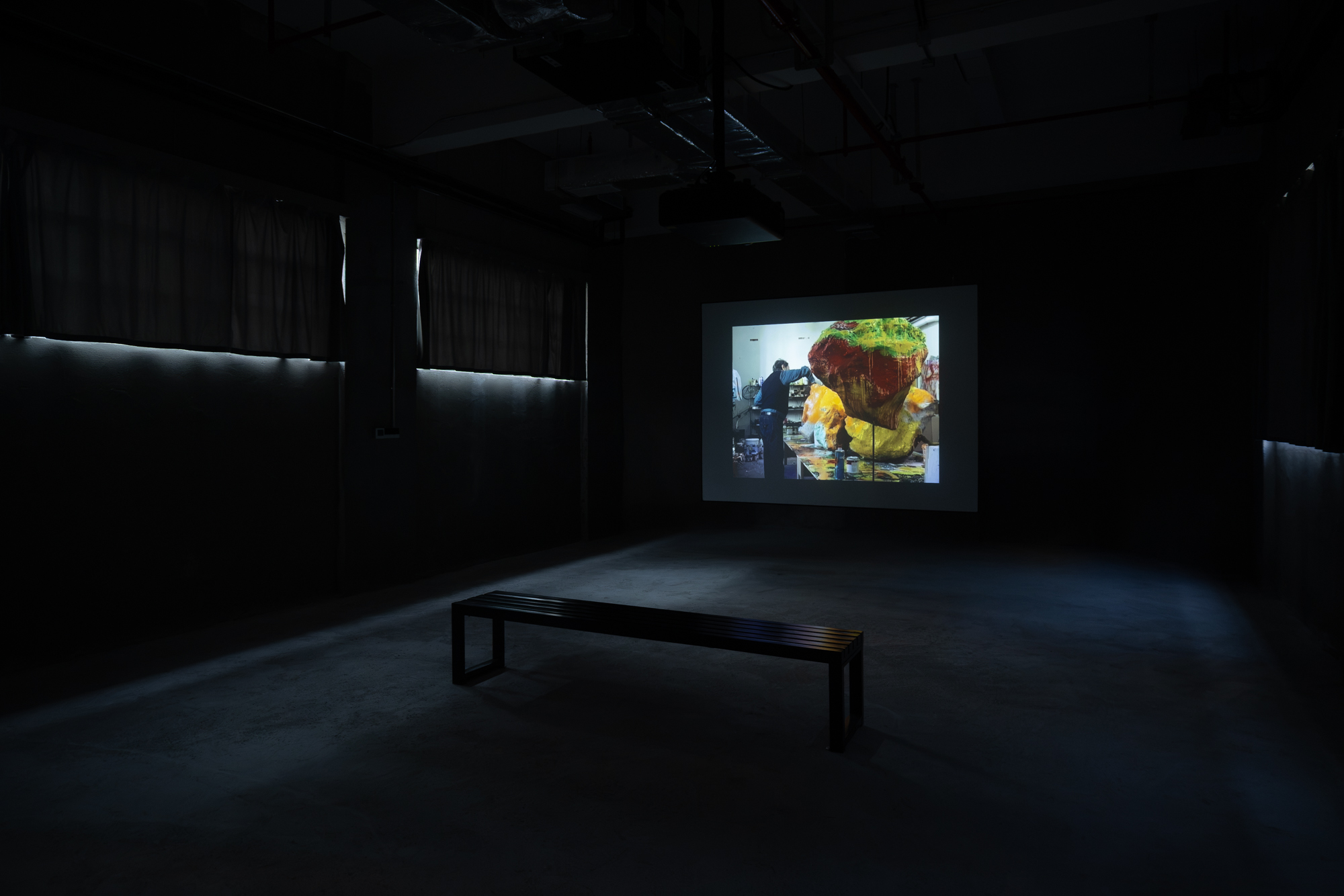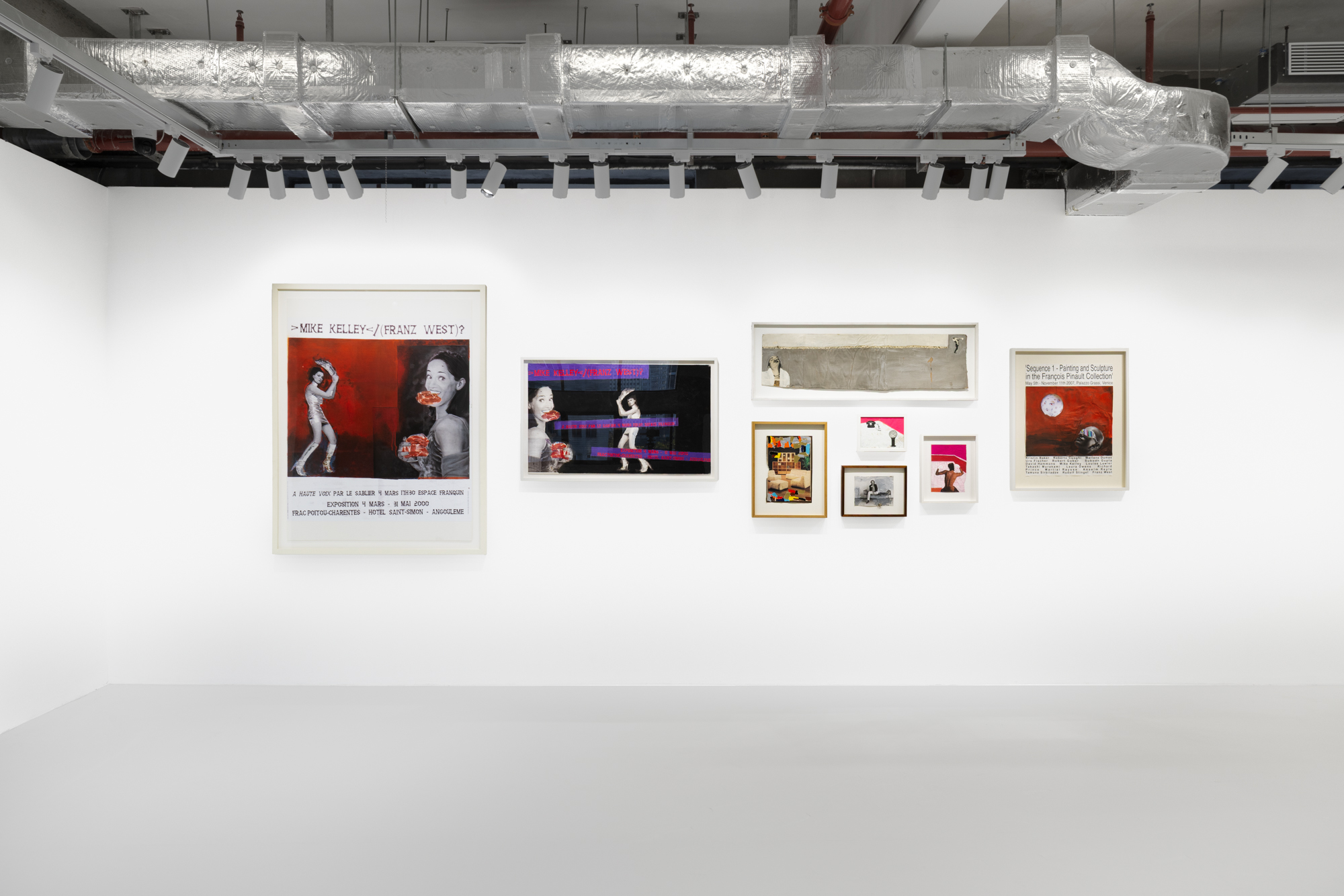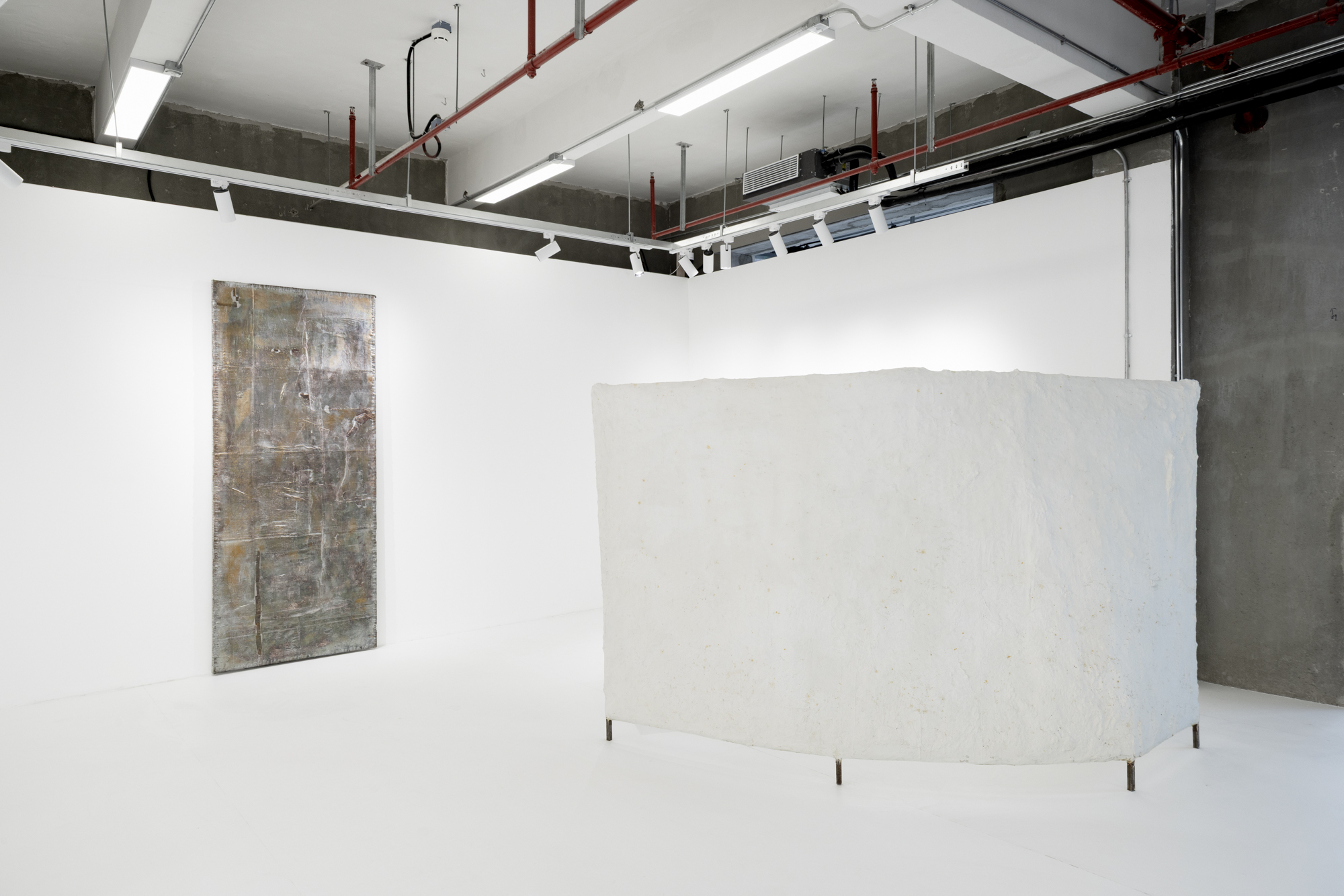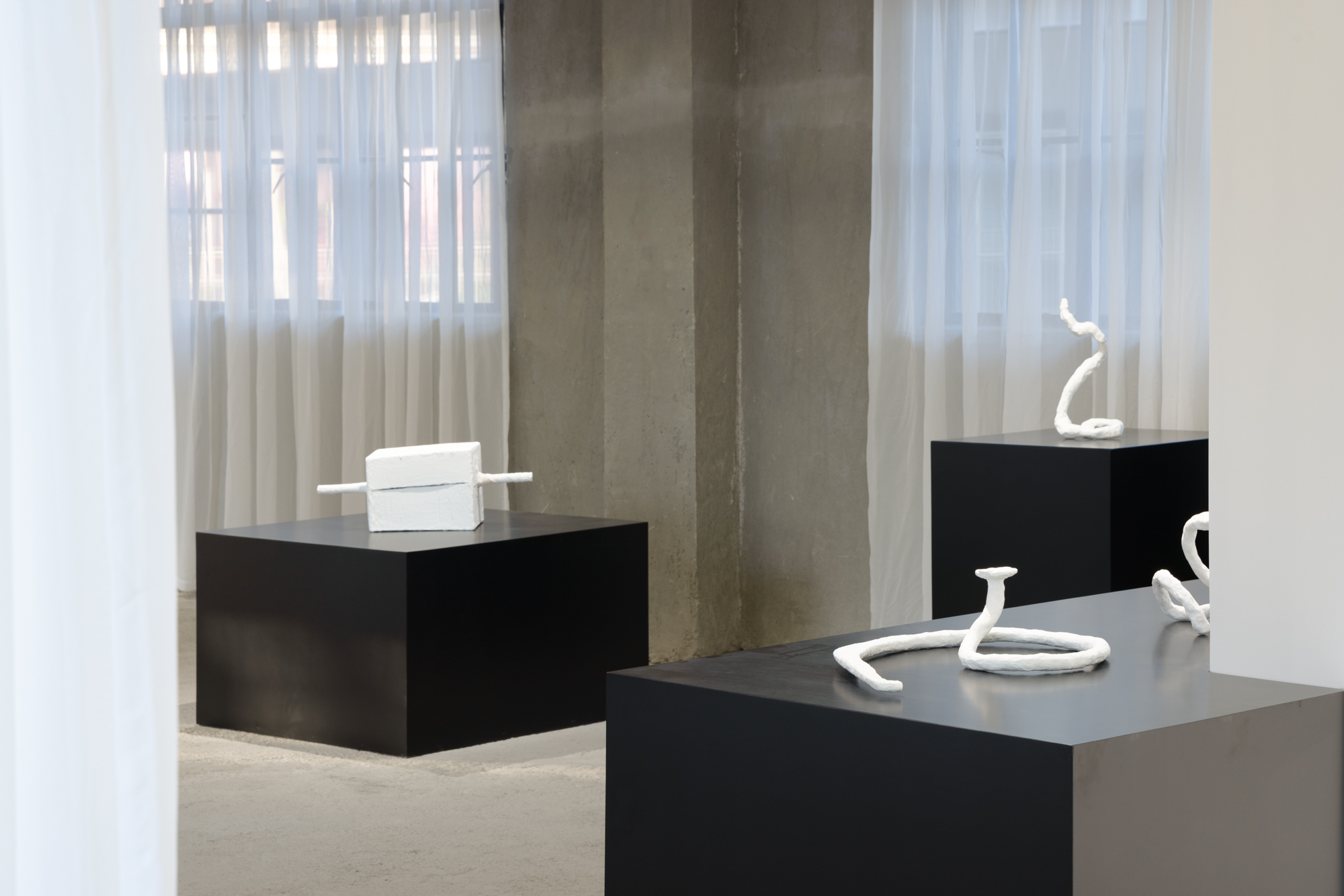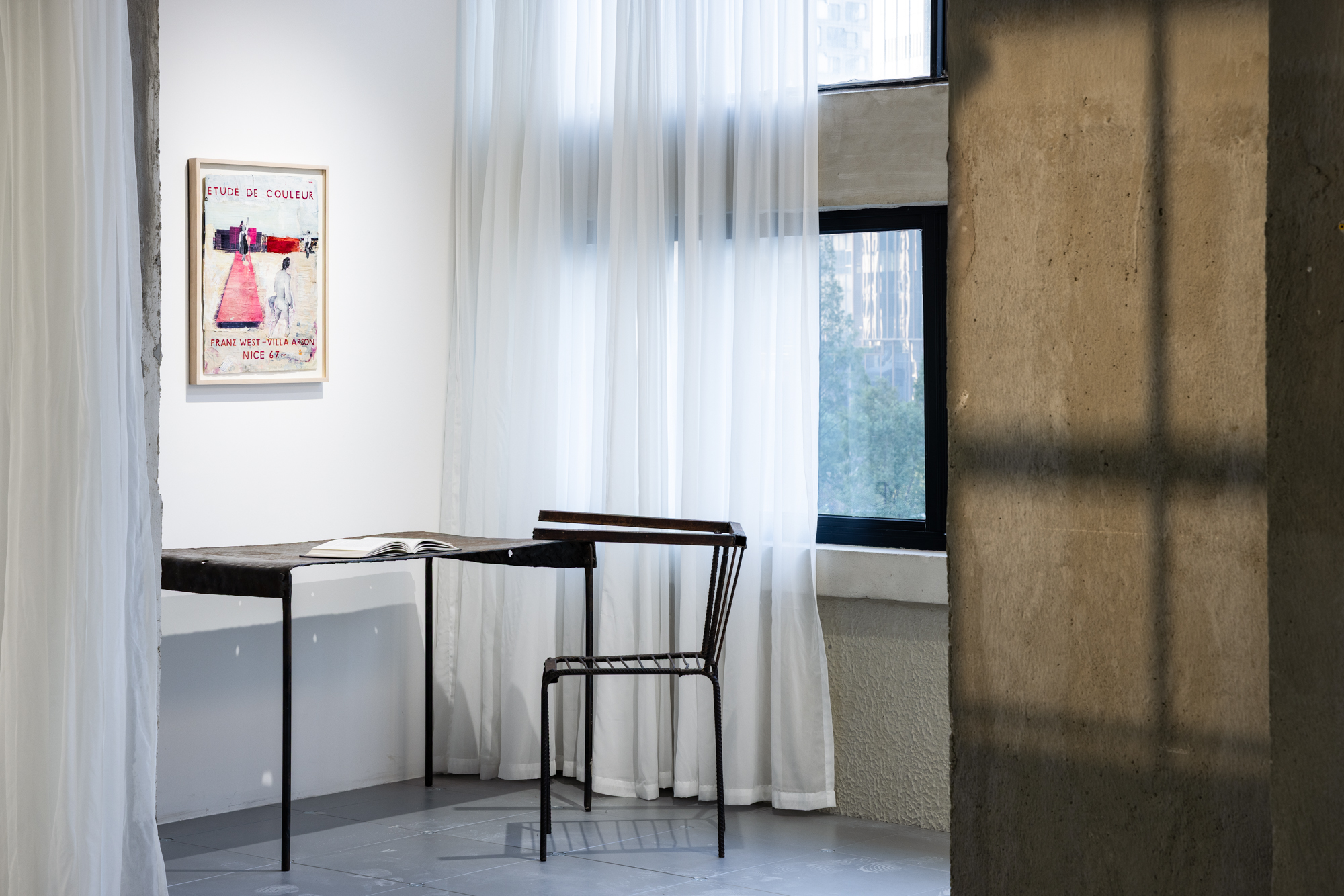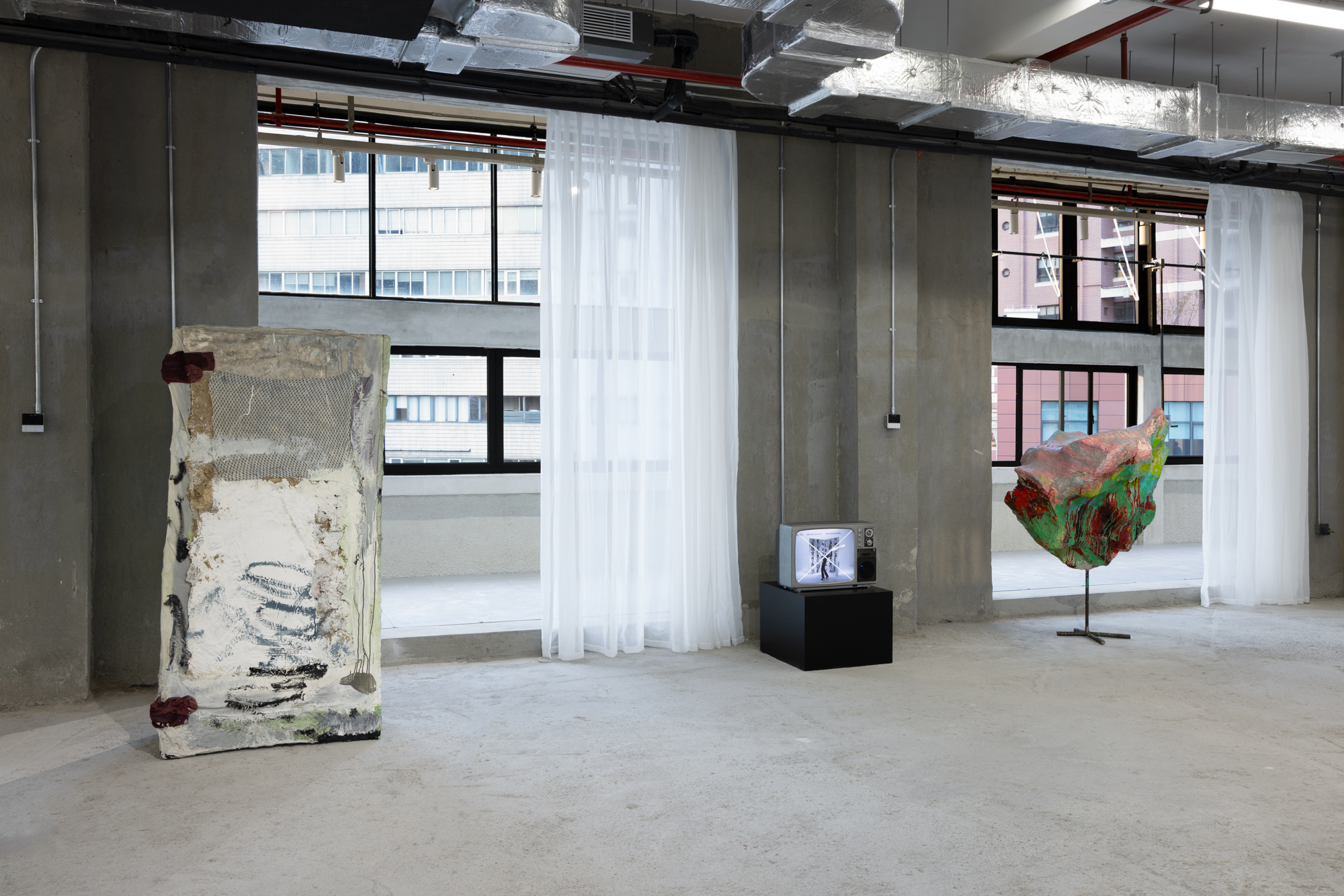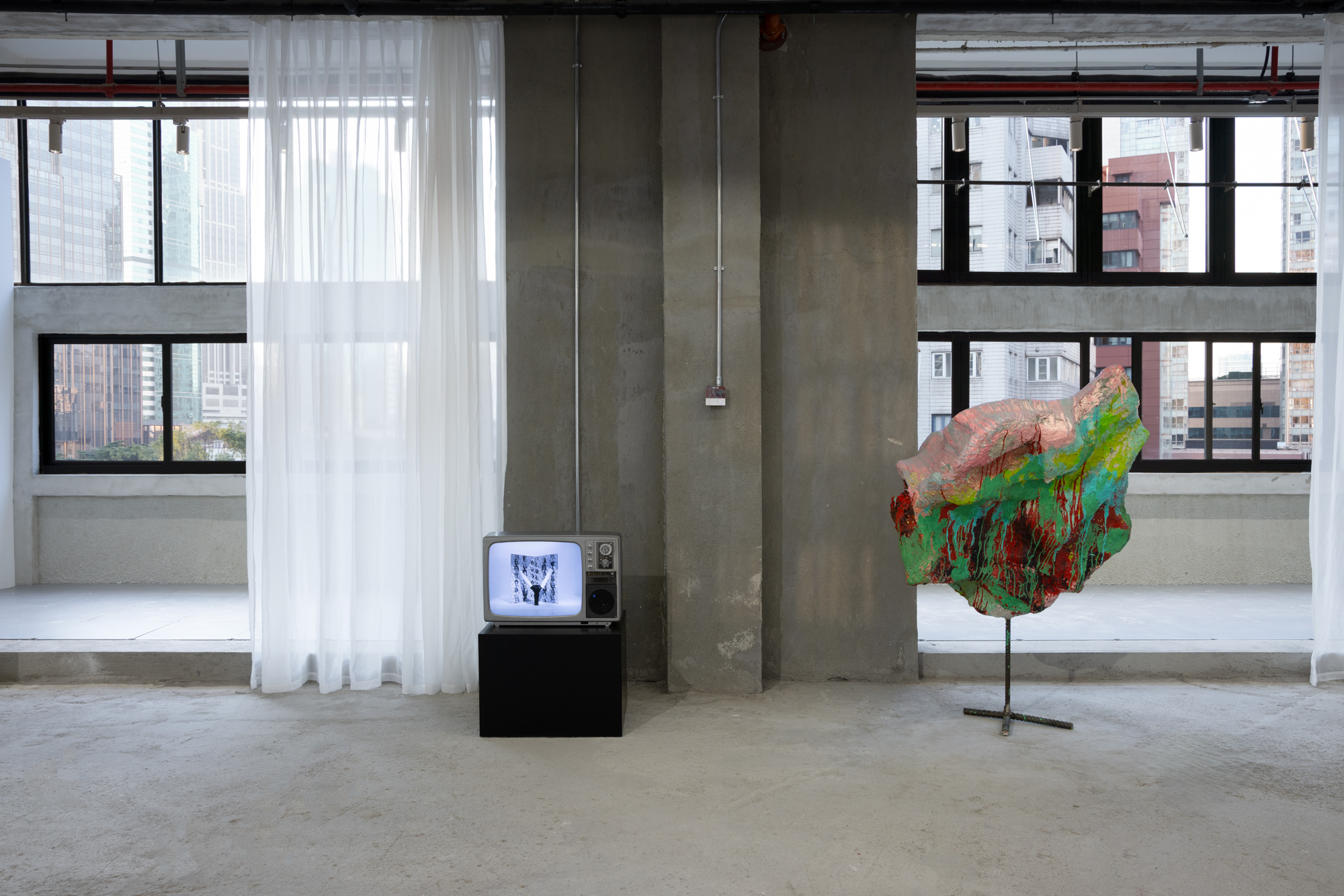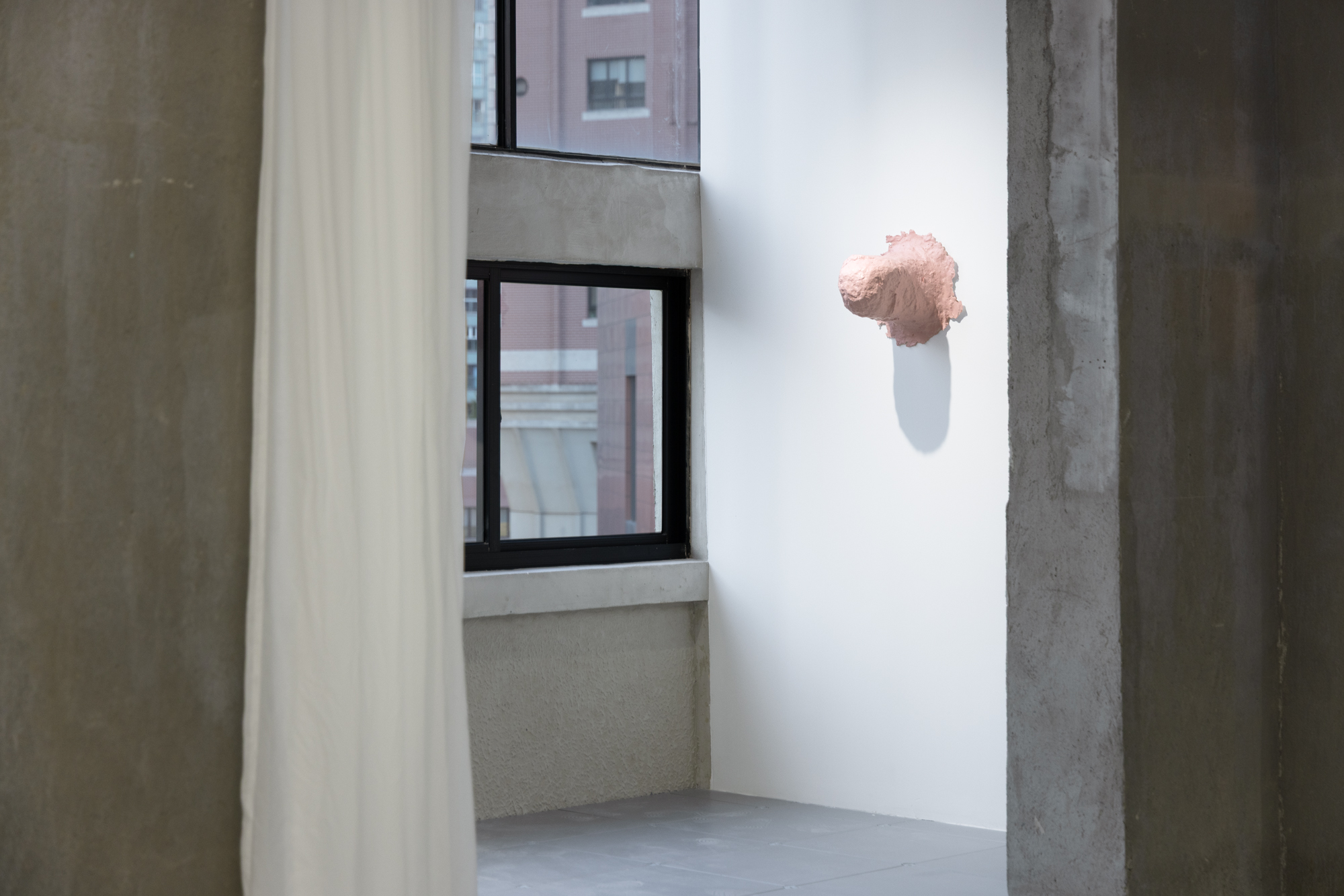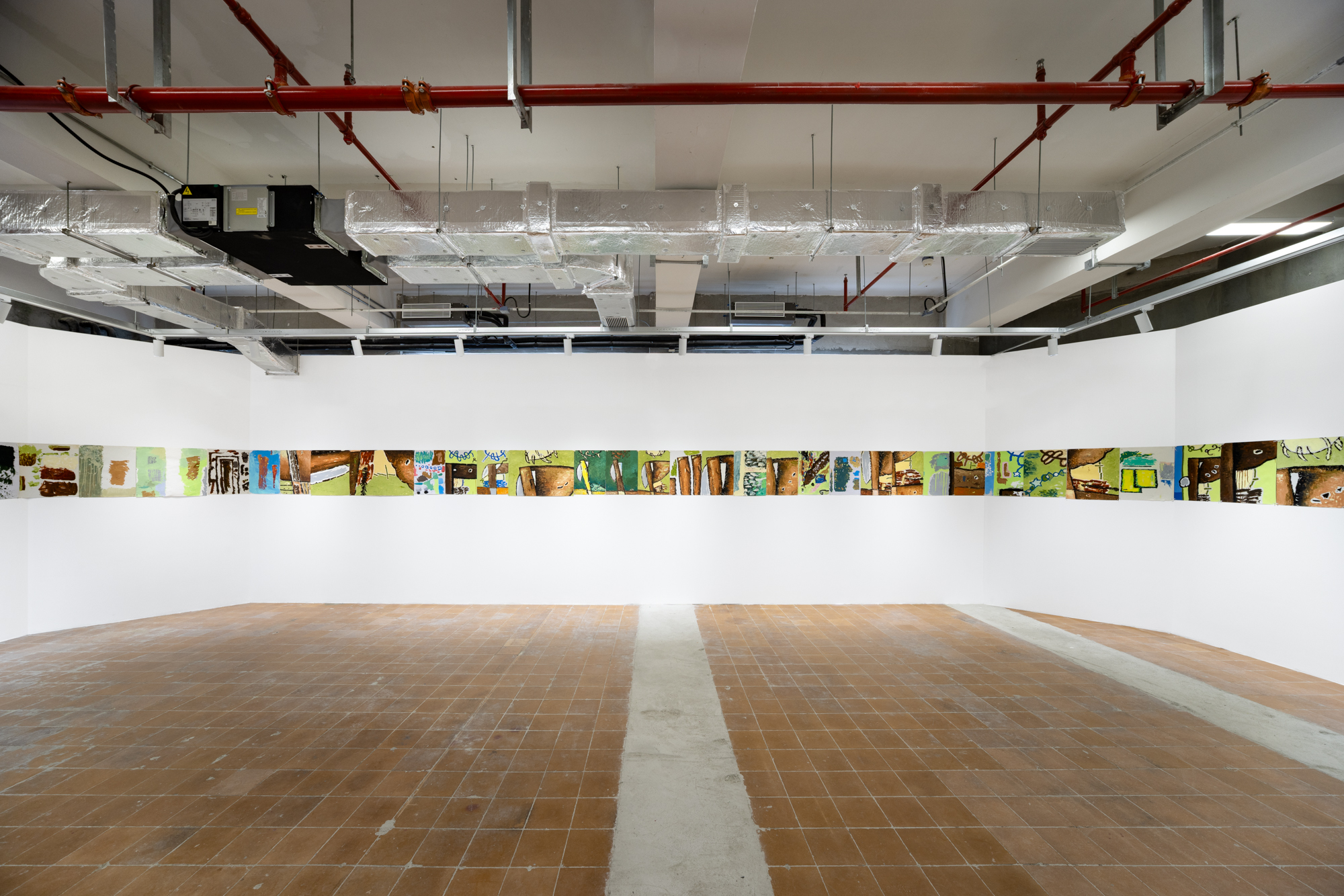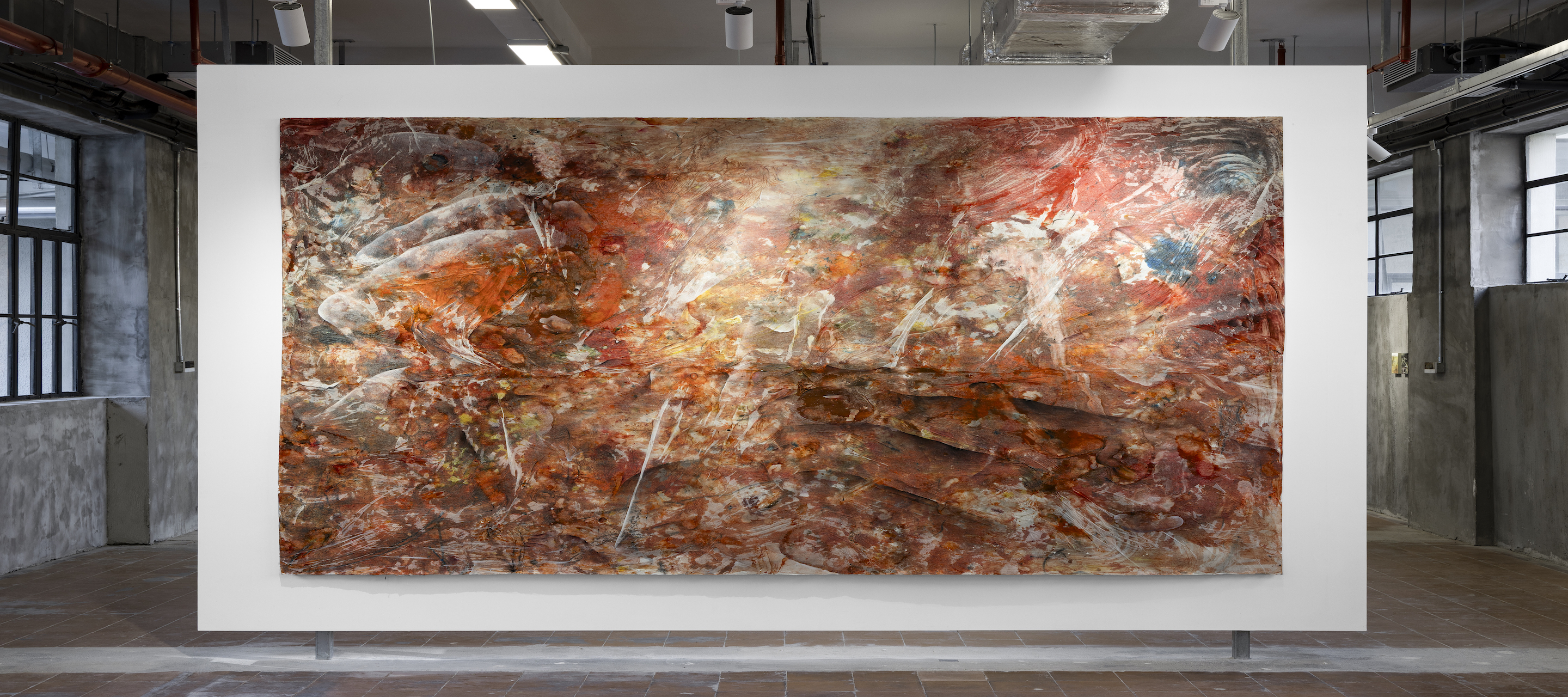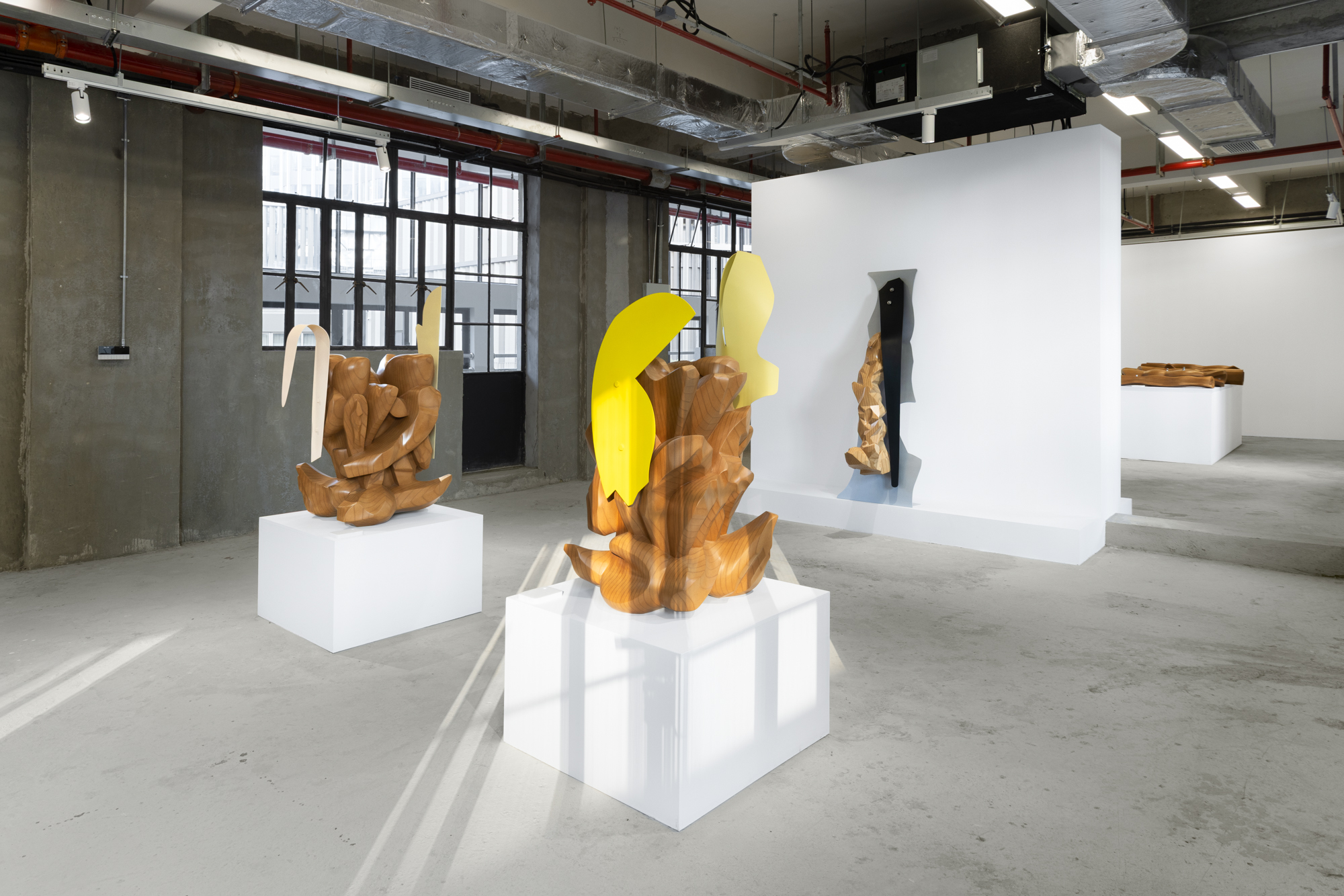
Franz West (1947–2012) was one of the most influential European artists of the second half of the twentieth century. Active in Vienna’s art scene from the 1970s onward, he gradually established an international reputation. Across different media and scales, West’s work is marked by a distinctive lightness: playfulness, wit, a touch of irreverence, and a persistent questioning of what might count as art. This playfulness and wit were closely tied to his longstanding interest in philosophy, literature and psychoanalysis.
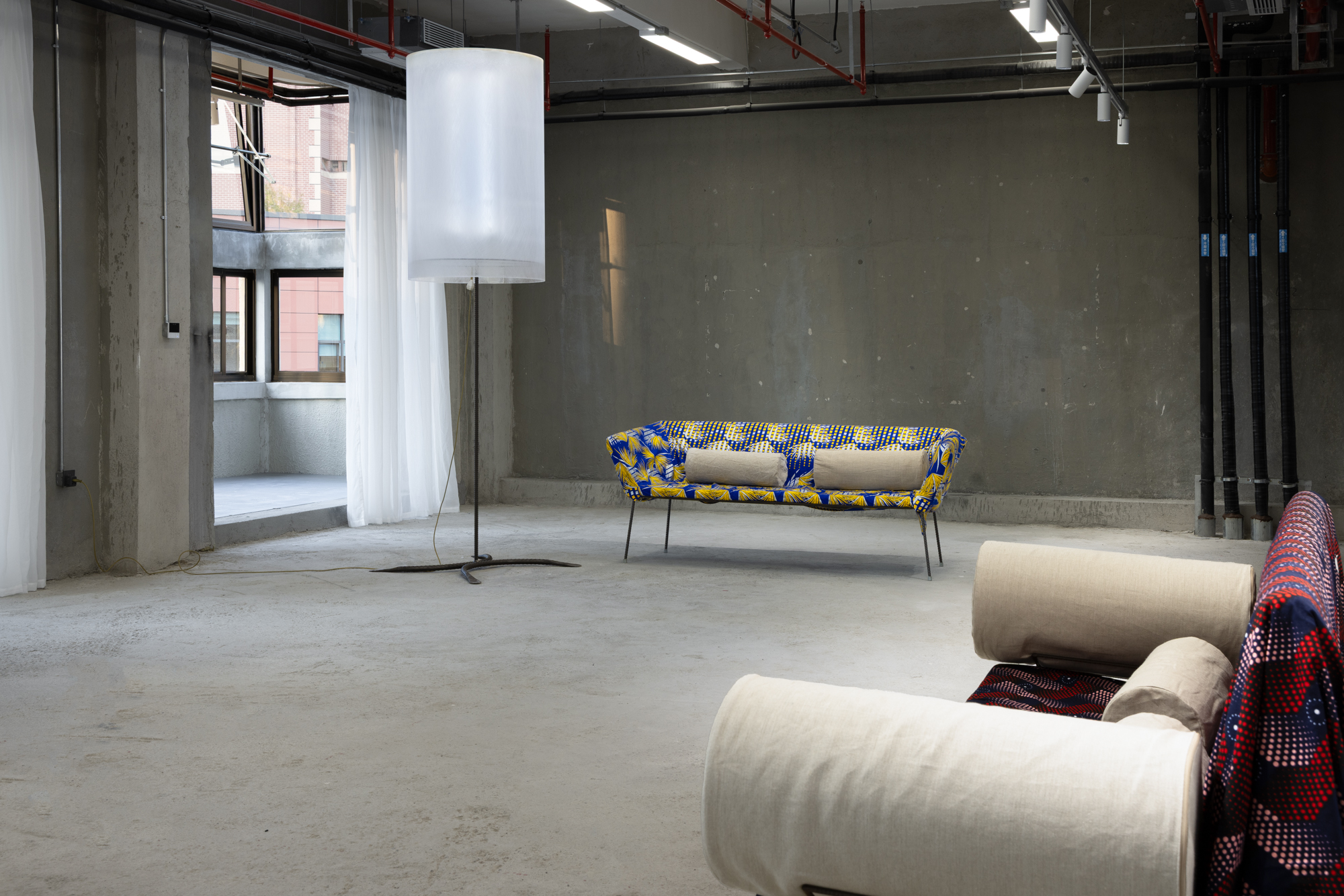
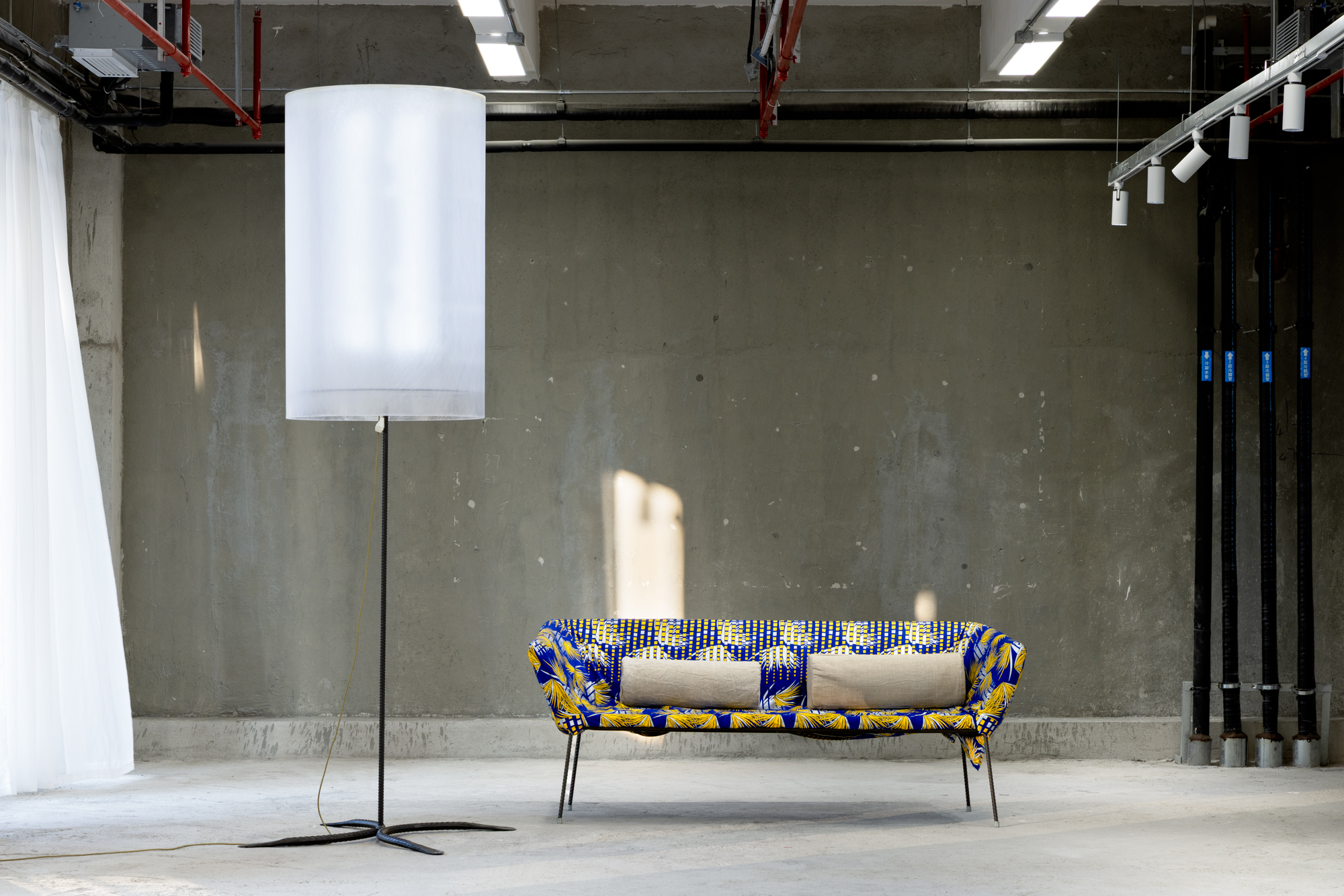
His practice ranged across sculpture, furniture, collage, video and installation. Papier-mâché, plaster, cardboard, found images and even language could all become materials in his work. This exhibition unfolds along several interwoven strands: furniture, the Adaptives (Passstücke), collage and works on paper, as well as West’s practice of combining and recombining works in different configurations. Across West’s work, one concern returns again and again: meaning is never fully settled within the work itself. It continues to take shape through the body’s encounter with it—through looking, handling and use—and through the contexts in which it appears.
This becomes especially direct in the Adaptives. These objects have no obvious function. When viewers pick one up, wear it, or hold it against the body, a brief uncertainty sets in: how to handle it, what to do next. It is precisely in this hesitation that unplanned gestures, postures and expressions begin to emerge. West’s furniture works bring the body into the work in another way: the Diwans (sofas) and chairs are sculptures, but they can also remain places for sitting, resting, talking and sharing space with others. Much of the playfulness in West’s work arises at precisely such moments, when boundaries are gently unsettled—between art and everyday life, looking and acting, object and body.
Language, too, could become a material for West. Titles, puns and the changes introduced by translation often participate directly in the formation of meaning. As a word moves from one language to another, something is inevitably altered or lost, while new associations can also emerge.
The title of this exhibition, Something Like This, retains a similar openness. It sounds like something said while making a gesture, pointing toward a particular object, posture or situation without ever fully fixing its meaning. The English and Chinese titles do not map neatly onto one another, and this subtle difference also echoes West’s own play with language.
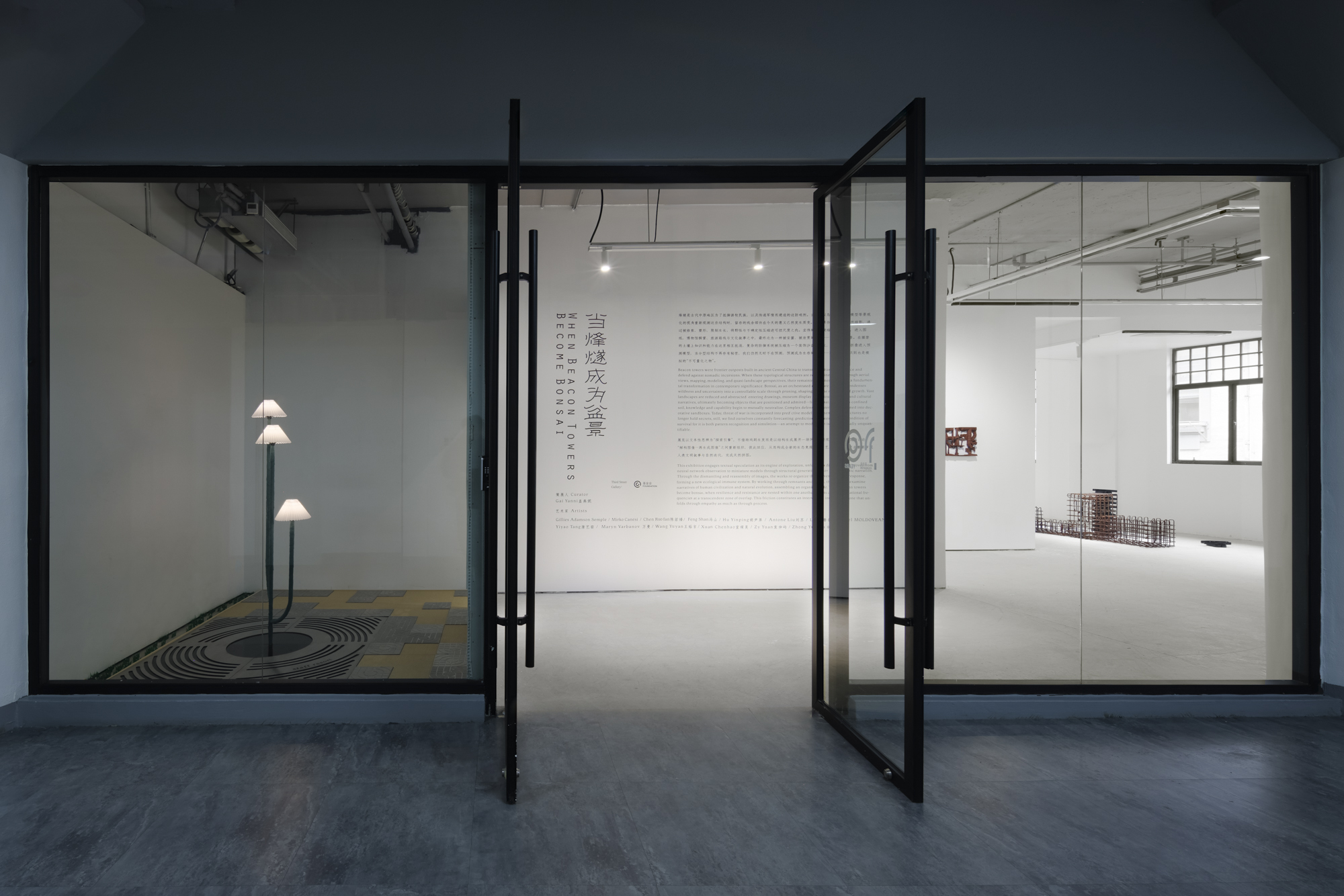
Presented by Cc Foundation, this exhibition marks Franz West’s first institutional solo exhibition in mainland China, presenting a selection of his representative furniture and collage works, together with the Adaptives, a body of work central to his practice. We hope visitors will enjoy a relaxed and open encounter with these works.
Franz West (1947–2012) was born in Vienna, Austria, and is widely regarded as one of the most influential European artists of the postwar era. From 1977 to 1982, he studied at the Academy of Fine Arts Vienna under the sculptor Bruno Gironcoli.
West represented Austria at the 44th Venice Biennale in 1990 and participated in documenta IX (1992) and documenta X (1997) in Kassel. Throughout his career, he received numerous prestigious awards, including the Otto Mauer Prize (1986), the EA-Generali Foundation Sculpture Prize (1993), the Wolfgang Hahn Prize awarded by Museum Ludwig in Cologne (1998), and the Golden Lion for Lifetime Achievement at the 54th Venice Biennale in 2011.
Major retrospectives of his work have been held at mumok – Museum moderner Kunst Stiftung Ludwig Wien, Vienna (1996); the Baltimore Museum of Art (2008); and the Los Angeles County Museum of Art (2009). In 2018–2019, the Centre Pompidou in Paris and Tate Modern in London presented a major retrospective of his work. His works are held in the collections of leading international institutions, including the Museum of Modern Art (MoMA), New York; the Centre Pompidou, Paris; and Tate, London.